
Moving goods from a warehouse to a customer’s doorstep is harder and more expensive than ever before.
Fuel prices are volatile. City traffic causes long delays. Customers expect updates on their phones within minutes of placing an order.
If your logistics team still uses paper clipboards, phone calls, and manual spreadsheets to manage drivers, money is slipping through the cracks every single day. Drivers take longer routes. Packages get lost. Dispatchers spend hours answering phone calls asking, “Where is my driver right now?”
The final step of delivery, called the “last mile”, is the most expensive. Research by the Capgemini Research Institute put last-mile delivery at 41% of total supply chain costs.
Researchers at places like the MIT Center for Transportation & Logistics study how better routing and dispatch cut wasted miles, fuel and driver hours.
In this guide, we will look at how modern logistics and delivery technology solves these bottlenecks, and how simple digital systems help your fleet deliver more packages in less time.
1. The 4 Hidden Money Pits of Traditional Delivery
When fleet operations are run by hand, four big problems quietly drain your profits:
Where traditional fleets lose money
- Empty miles: driving back with empty trucks.
- Dispatch bottlenecks: endless phone calls to assign jobs.
- Route detours: getting stuck in avoidable traffic.
- Lost paper slips: arguments over missing deliveries.
Problem 1: “Empty Miles” and Wasted Fuel
When dispatchers do not have a live map of their entire fleet, trucks often drive long distances without cargo. A driver might drop off a load on the other side of town and drive back completely empty, even though another warehouse five minutes away had boxes ready to pick up.
Problem 2: Dispatcher Phone Tag
In a traditional setup, when ten new customer orders come in, a dispatcher has to call five different drivers:
- “Where are you?”
- “How many boxes do you have left?”
- “Can you head to Bole road?”
This process is slow, stressful, and leads to mistakes during busy hours.
Problem 3: The Costly “Last Mile”
The final stretch of delivery is always the trickiest. Finding unfamiliar addresses, waiting at compound gates, and dealing with city traffic eats up driver hours. Every extra ten minutes spent looking for an entrance wastes fuel and delays the next customer.
Problem 4: Paper Proof-of-Delivery Disputes
When deliveries rely on paper signatures, clipboards get rained on, lost, or misplaced. When a customer calls two weeks later claiming they never received their shipment, accounting cannot find the paper slip, leading to costly refunds and friction.
2. The 4 Core Building Blocks of Modern Logistics Tech
Modern delivery technology replaces paper chaos with clean, simple digital screens. Here are the four key tools every growing delivery business needs:
| Technology Tool | What It Does | Daily Business Benefit |
|---|---|---|
| Real-Time GPS Tracking | Shows live vehicle positions, driving speeds, and idle times on an interactive map. | You know where your vehicles are at every moment. No more guessing. |
| Automated Smart Dispatching | Assigns new delivery stops to the nearest driver with available vehicle capacity. | New orders get assigned in seconds, without a single phone call. |
| Dynamic Route Planning | Calculates the fastest sequence of stops, avoiding bad roads and heavy traffic. | Drivers spend less time idling in traffic and use less fuel each week. |
| Digital Proof of Delivery (e-POD) | Driver mobile app captures photos, scans barcodes, and collects touch-screen signatures. | Instant proof sent to the customer and accounting team the second an order is delivered. |
3. How Connected Logistics Connects to Your Entire Business
Fleet tracking by itself is helpful. But when your delivery technology is connected directly to your warehouse and sales systems, the entire business speeds up.
Here is how a modern connected workflow operates:
Customer places order → warehouse system updates stock (through the ERP) → smart dispatch assigns the nearest driver → driver app guides the route and collects an e-signature → the general ledger posts the invoice and payment.
- A customer orders online: The order instantly enters your system.
- The warehouse prepares the box: Inventory levels update automatically in your ERP and warehouse system.
- The dispatch engine finds the best driver: The computer calculates who has space in their vehicle and is already heading toward that neighborhood.
- The driver receives the stop on their phone: The mobile app opens step-by-step navigation.
- The customer gets a real-time tracking link: Just like modern ride-hailing and courier apps, the customer can see the vehicle approaching.
- Digital signature captured: When handed over, the driver snaps a quick photo or takes a signature on their phone. The delivery status immediately turns green in your system.
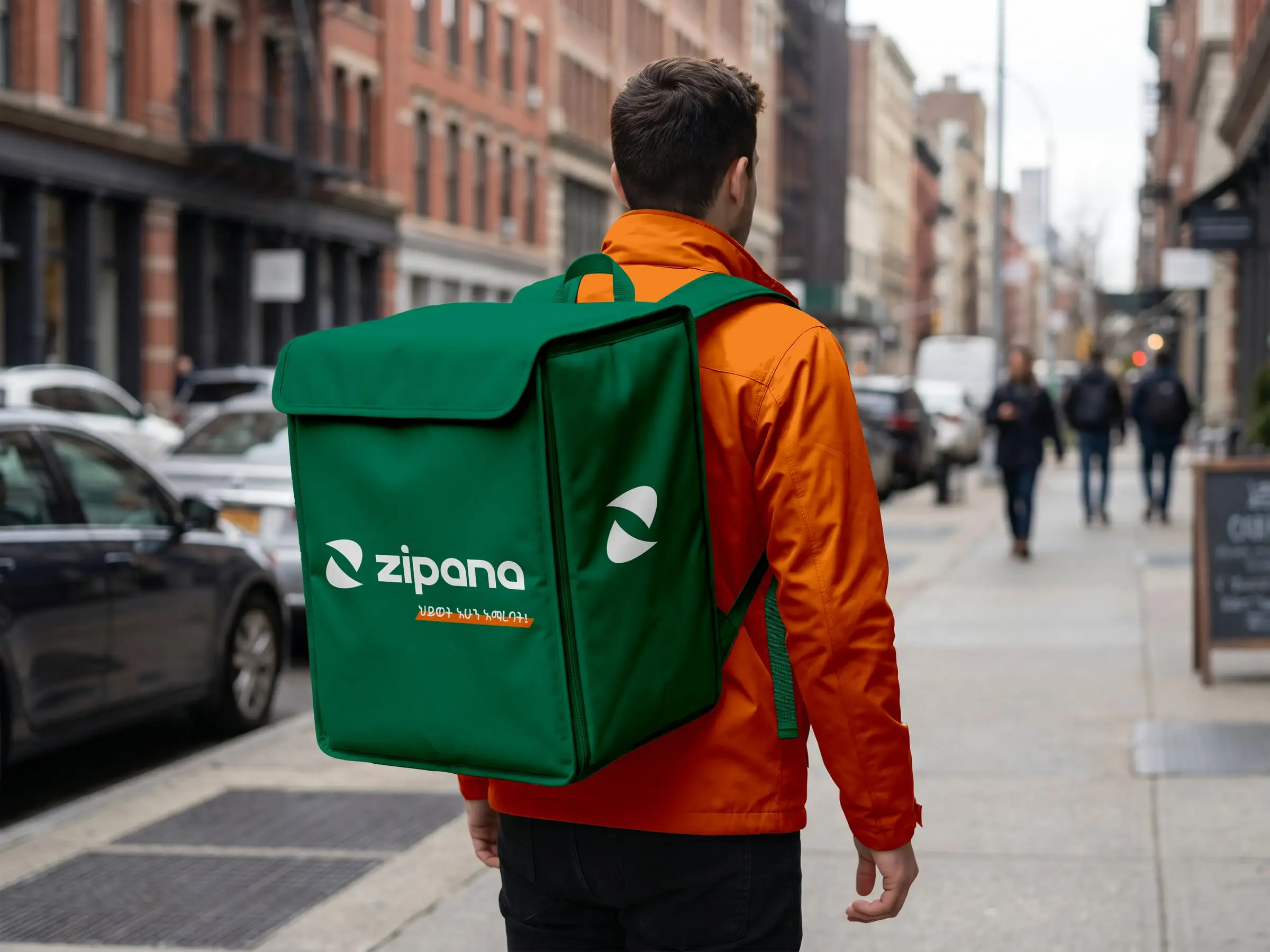
This flow is what our own logistics and delivery platform, Intel Logistics Zipana, is built around: dispatch, live tracking and proof of delivery in one product. It also matters for busy ecommerce platforms, where many sellers and drivers must coordinate orders without manual delays.
4. Simple Steps to Upgrade Your Fleet Operations
You do not need to replace all your trucks or hire a dozen engineers to modernize your delivery operations. You can follow these three practical steps:
Step 1: Equip Drivers with Mobile Apps
Instead of buying expensive proprietary hardware screens for vehicle dashboards, equip your drivers with simple, secure smartphones running a lightweight driver application. A reliable custom mobile app gives drivers clear stop lists, barcode scanners, and GPS navigation in one simple screen.
Step 2: Stop Using Paper Delivery Slips
Make the switch to digital proof of delivery. Requiring drivers to capture a photo of the delivered package or collect a digital signature on screen will sharply reduce customer disputes.
Step 3: Connect Dispatch with Your Inventory
Do not let your dispatch team work in a separate silo from your sales and stock teams. When your delivery software speaks directly to your enterprise ERP software, everyone from the warehouse manager to the financial controller sees the same truth.
5. Frequently Asked Questions
Can logistics tracking software work when cell phone networks are slow?
Yes. Well-engineered mobile delivery apps are built with “offline-first” capabilities. Drivers can scan barcodes and collect signatures even in underground basements or areas with patchy cellular connection. The app stores the data securely on the phone and syncs it to the cloud the moment connectivity returns.
How much can a delivery fleet save on fuel?
It depends on how your fleet runs today. Fleets that plan routes by hand usually see the biggest gains, because route planning removes detours, empty return trips and idle time. Measure fuel per delivery before and after, so you know your real number.
Does our company need a full-time tech team to maintain this?
No. With a software support and maintenance agreement, your engineering partner manages the software, servers and updates, so your logistics team can focus on getting orders delivered.
Ready to Streamline Your Fleet?
Whether you operate five delivery vans or manage a nationwide distribution fleet, modern logistics and delivery technology turns delivery chaos into an organized, profitable competitive advantage.
Discover how Inteltech engineers custom digital tools for fast-moving businesses. Explore our logistics and delivery technology services, see Intel Logistics Zipana, or book a live demo with our team to see it in action.
Sources and further reading
- Capgemini Research Institute: The last-mile delivery challenge
- Council of Supply Chain Management Professionals (CSCMP): State of Logistics
- MIT Center for Transportation & Logistics: Research